
Best GI Cancer Surgeon: Gallbladder Cancer Care Guide
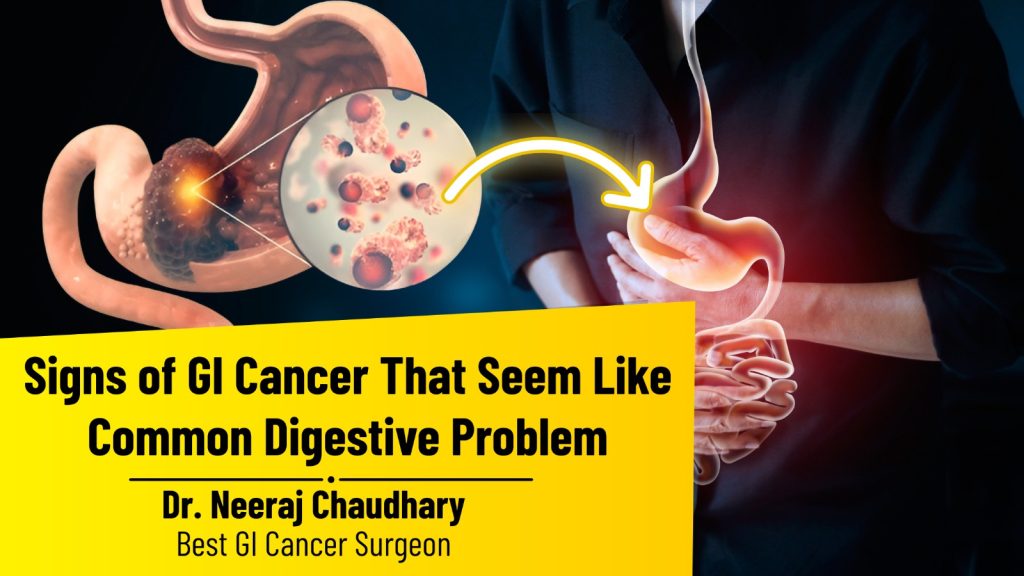
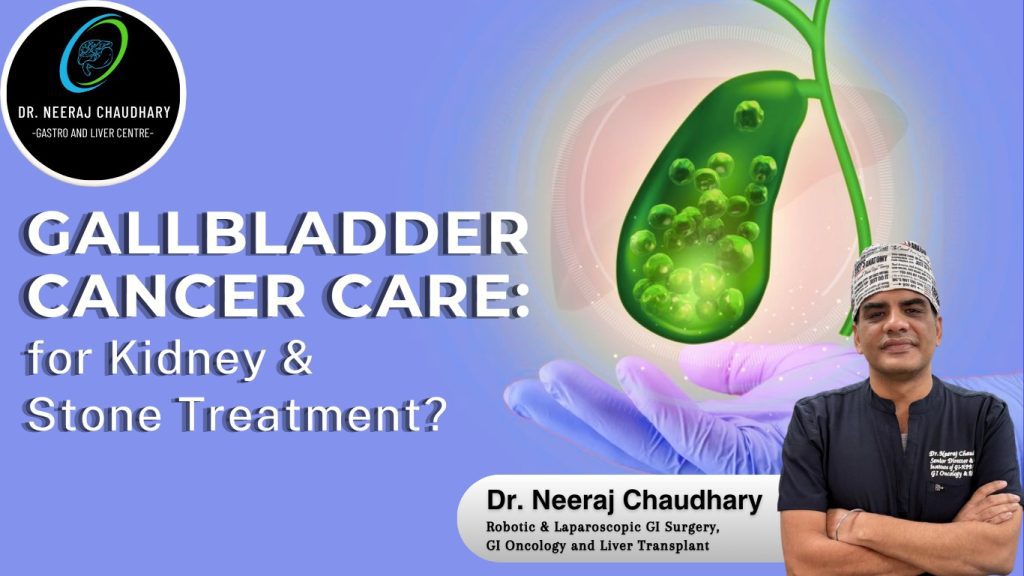
Gallbladder Cancer Care: Surgery, Therapy and Palliative Support! Gallbladder cancer is a serious condition that needs quick and skilled attention. Finding the right surgeon can bring hope and better results. Dr. Neeraj Chaudhary, known as the Best GI Cancer Surgeon in South Delhi offers complete care that includes surgery, therapy and palliative support. This guide explains everything in simple terms so you or your loved one can understand the options clearly and feel more confident moving forward. Understanding Gallbladder Cancer The gallbladder is a small organ under the liver that stores bile to help digest food. Cancer starts when cells in its wall grow out of control. It often stays silent in early stages, which makes expert care important. Dr. Neeraj Chaudhary focuses on catching the disease early and planning the right treatment. His approach combines modern tools with caring support for every patient. Common Symptoms and Diagnosis Steps Many people ignore early signs because they look like common stomach problems. Watch for these: If these last more than a few days, see a specialist right away. Diagnosis is straightforward with the gastroenterologist. It usually includes: They uses these tests to create a clear picture of the cancer stage before suggesting any treatment. Surgical Options by the Gallbladder Surgeon Surgery is the main way to treat gallbladder cancer when it is found early. As the best Gallbladder surgeon, Dr. Neeraj Chaudhary chooses the safest and most effective method for each person. Common surgical approaches include: The GI cancer surgeon often performs these using small cuts (laparoscopic or robotic surgery). Benefits are clear: Before surgery, Dr. Neeraj Chaudhary explains every step, answers questions, and prepares patients with diet and medicine advice. After surgery, careful follow-up helps healing go smoothly. Therapy Options: Chemotherapy and Radiation Sometimes surgery alone is not enough. The surgeon works with a team to add therapy when needed. Chemotherapy uses strong medicines to attack cancer cells. It may come before surgery to shrink the tumor or after to stop cancer from returning. Patients receive it through a vein in short sessions. Radiation therapy uses focused energy beams to destroy leftover cancer cells. It is gentle on healthy tissue and helps control symptoms if surgery is not possible. Dr. Neeraj Chaudhary plans these therapies carefully. He also guides patients on handling side effects like tiredness or nausea so daily life stays as normal as possible. Palliative Support for Better Quality of Life When cancer is advanced, the goal shifts to comfort. Palliative support does not cure the disease but makes life easier. The Cancer surgeon like Dr. Neeraj Chaudhary includes this from the start. Helpful palliative steps include: This care helps patients stay active, eat better, and feel more comfortable with family. Dr. Neeraj Chaudhary coordinates with nurses and counselors so every need is met. Why Choose Dr. Neeraj Chaudhary as Your Best GI Cancer Surgeon Dr. Neeraj Chaudhary brings years of focused experience in GI cancers. He is known for calm explanations, modern techniques, and true concern for patients. Whether you need surgery, therapy, or palliative support, he creates a plan that fits your life and health goals. His clinic uses advanced equipment and a kind team that treats you like family. Many patients travel from different cities because they trust his skill as the gallbladder surgeon and GI cancer surgeon. Frequently Asked Questions 1. Who should see the best GI cancer surgeon for gallbladder issues? Anyone with ongoing upper belly pain, jaundice, or unexplained weight loss should consult the gastroenterologist without delay. Early checks can change everything. 2. Is robotic or laparoscopic surgery safe for gallbladder cancer? Yes. The gallbladder surgeon uses these methods when suitable. They cause less discomfort and speed up recovery compared to traditional open surgery. 3. What happens during palliative care? Palliative care eases pain, clears blockages, and supports nutrition and mood. Dr. Neeraj Chaudhary makes sure you stay comfortable at every stage. 4. How long does recovery take after gallbladder cancer surgery? Most patients go home in a few days and feel much better in 2–4 weeks. The GI cancer surgeon always gives clear after-care instructions. 5. Can therapy be given without surgery? Yes. Chemotherapy and radiation help control cancer and symptoms even when surgery is not an option. Conclusion Gallbladder cancer care combines expert surgery, targeted therapy and caring palliative support. With the right and experienced GI Cancer Surgeon guiding every step, patients receive hope, comfort and the best possible results. Dr. Neeraj Chaudhary stands ready to help with skill, modern methods and genuine concern. Do not wait if you have concerns. Contact Dr. Neeraj Chaudhary today to book an appointment. Get clear answers, a personal treatment plan and the expert care you deserve. Early action with the Best GI Cancer Surgeon can make a real difference in your journey to better health.
Best GI Cancer Surgeon: Gallbladder Cancer Care Guide Read More »