
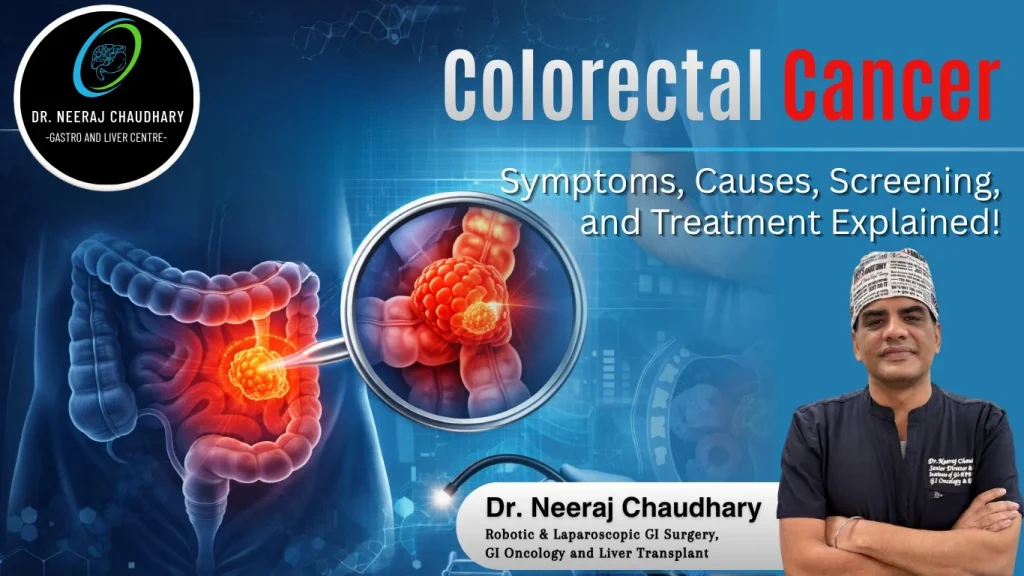
Colorectal cancer (CRC), which includes cancers of the colon and rectum, is one of the most common cancers worldwide and ranks as the fourth most common cancer in India. It typically begins as small, non-cancerous growths called polyps in the lining of the large intestine. Over time, some polyps can become cancerous if not detected and removed. The good news is that colorectal cancer is highly preventable and treatable when caught early through regular screening.
In India, CRC incidence is rising, particularly among younger adults. Recent data shows that up to 21–40% of cases occur in people under 40 years of age—higher than in many Western countries. Urban lifestyle changes, dietary shifts, and increasing obesity are contributing factors. With over 64,000 new cases reported annually (as per GLOBOCAN estimates), awareness about symptoms, risk factors, and timely screening is critical for saving lives. Patients seeking expert care often look for the Best GI Cancer Surgeon in South Delhi to ensure accurate diagnosis and advanced treatment options
What Are the Symptoms of Colorectal Cancer?
In the early stages, colorectal cancer often produces no noticeable symptoms, which is why it is frequently called a “silent” disease. Many people discover it only during routine screening. As the cancer grows, common symptoms may include:
- A persistent change in bowel habits, such as diarrhea, constipation, or narrower stools lasting more than a few days.
- Rectal bleeding or blood in the stool (which may appear bright red or dark and tarry).
- Abdominal pain, cramps, bloating, or a feeling of incomplete bowel emptying.
- Unexplained weight loss and fatigue (often due to iron-deficiency anemia from chronic blood loss).
- Weakness or shortness of breath in advanced cases.
These symptoms can overlap with benign conditions like hemorrhoids, irritable bowel syndrome (IBS), or infections. However, if they persist for more than two weeks, especially in individuals over 45 or with risk factors, consult a specialist immediately. In younger patients (under 50), symptoms are sometimes dismissed, leading to delayed diagnosis and more advanced-stage presentation.
Causes and Risk Factors
Colorectal cancer develops when cells in the colon or rectum undergo genetic mutations that cause uncontrolled growth. Most cases are sporadic (not inherited), resulting from a combination of lifestyle and environmental factors over years. A smaller percentage (about 5-10%) are linked to inherited syndromes like Lynch syndrome or familial adenomatous polyposis (FAP).
Major risk factors include:
- Age: Risk increases significantly after 50, but early-onset cases (under 50) are rising sharply in India and globally, possibly due to modern diets and sedentary habits.
- Family history: First-degree relatives with CRC or advanced polyps raise your risk. Screening may need to start earlier (age 40 or 10 years before the relative’s diagnosis).
- Personal medical history: Previous polyps, inflammatory bowel disease (ulcerative colitis or Crohn’s), or prior colorectal cancer.
- Lifestyle factors: Diets high in red and processed meats, low in fiber, fruits, and vegetables; obesity; physical inactivity; smoking; and heavy alcohol consumption.
- Other conditions: Type 2 diabetes, metabolic syndrome, and certain genetic predispositions.
In India, rapid urbanization, Westernized diets (high in processed foods), and rising obesity rates are believed to drive the increase in early-onset CRC. More than half of cases may be linked to modifiable risk factors, making prevention through healthy lifestyle choices highly effective.
Screening for Colorectal Cancer: Why It Saves Lives
Screening is the most powerful tool against colorectal cancer because it can detect and remove precancerous polyps before they turn malignant, or identify cancer at an early, curable stage. Survival rates exceed 90% for localized disease but drop significantly in advanced stages.
Current guidelines (aligned with USPSTF, ACS, and global standards) recommend starting regular screening at age 45 for average-risk adults. Continue through age 75 for most people; decisions after 75 or 85 should be individualized based on health and life expectancy.
Common screening options:
- Colonoscopy (every 10 years) — The gold standard. It examines the entire colon, allows immediate polyp removal, and is highly accurate.
- Stool-based tests:
- Fecal immunochemical test (FIT) — Annually (detects hidden blood).
- Multitarget stool DNA test — Every 1-3 years.
- Flexible sigmoidoscopy (every 5 years) — Examines the lower colon.
- CT colonography (virtual colonoscopy) — Every 5 years.
Any positive non-colonoscopy test requires a follow-up diagnostic colonoscopy. In India, where population-level screening programs are still evolving, opportunistic screening is strongly advised, especially for those with family history or symptoms. High-risk individuals (e.g., with IBD or hereditary syndromes) may need earlier and more frequent testing.
Dr. Neeraj Chaudhary emphasizes that timely screening can prevent most colorectal cancers. As a leading GI surgeon, he guides patients on choosing the right test based on their risk profile and ensures seamless follow-up care.
Treatment Options for Colorectal Cancer
Treatment is tailored to the cancer’s stage (how far it has spread), location (colon vs. rectum), and the patient’s overall health. A multidisciplinary team—including surgeons, medical oncologists, radiation oncologists, and pathologists—develops the best plan.
Main treatment approaches:
- Surgery: The cornerstone for early-stage and localized CRC. It involves removing the tumor along with nearby lymph nodes. Minimally invasive techniques like laparoscopic or robotic surgery offer smaller incisions, less pain, faster recovery, and better precision. For rectal cancer, advanced sphincter-preserving procedures can often avoid a permanent colostomy.
- Chemotherapy: Used before surgery (neoadjuvant) to shrink tumors or after (adjuvant) to destroy remaining cancer cells, especially in stage II-III disease.
- Radiation Therapy: Commonly combined with chemotherapy for rectal cancer to improve local control.
- Targeted Therapy and Immunotherapy: For advanced or metastatic cases, these precision medicines target specific genetic mutations (e.g., KRAS, BRAF, MSI-high tumors). They are particularly effective in certain molecular subtypes.
- Palliative Care: Focuses on symptom relief and quality of life in advanced stages.
Modern advancements in robotic GI surgery have significantly improved outcomes, reducing complications and hospital stays. Early detection combined with expert surgical care leads to excellent long-term survival.
Prevention Tips
You can lower your risk substantially by:
- Maintaining a healthy weight and staying physically active (at least 150 minutes of moderate exercise weekly).
- Eating a diet rich in fruits, vegetables, whole grains, and fiber while limiting red/processed meats and sugary foods.
- Avoiding tobacco and limiting alcohol intake.
- Getting screened as recommended—don’t wait for symptoms.
- Managing chronic conditions like diabetes or IBD under medical supervision.
Consult the Best GI Surgeon in Delhi NCR: Dr. Neeraj Chaudhary
If you or your loved one is concerned about colorectal cancer symptoms, risk factors, or needs expert management, seek care from an experienced specialist.
Dr. Neeraj Chaudhary is a highly accomplished surgical gastroenterologist with over 20 years of experience. He serves as Senior Director & HOD – GI, GI Oncology, Minimal Access & Bariatric Surgery at Fortis Hospital, Vasant Kunj, New Delhi. He completed his MBBS and MS (General Surgery) from Kasturba Medical College, Manipal University, and DNB (Surgical Gastroenterology & Liver Transplantation) from Sir Ganga Ram Hospital, Delhi.
Dr. Chaudhary specializes in robotic and laparoscopic GI surgeries, HPB oncology, complex colorectal cancer management, and liver transplantation. He is renowned for performing advanced minimally invasive procedures with precision, offering patients faster recovery and better outcomes. He also consults at his Gastro Liver Centre and is associated with leading hospitals in the Delhi NCR region.
Patients appreciate his patient-centric approach, clear explanations, and commitment to quality, affordable care. Whether you need screening guidance, polyp removal, cancer surgery, or second opinions, Dr. Neeraj Chaudhary provides comprehensive GI oncology expertise.
Contact and Consultation: Book an appointment at Fortis Hospital, Vasant Kunj, or visit the Gastro Liver Centre. Early consultation can make all the difference.